
Understanding the psychological effects of gambling A deep dive into the mind's risks and rewards
The Allure of Gambling: Understanding the Initial Attraction
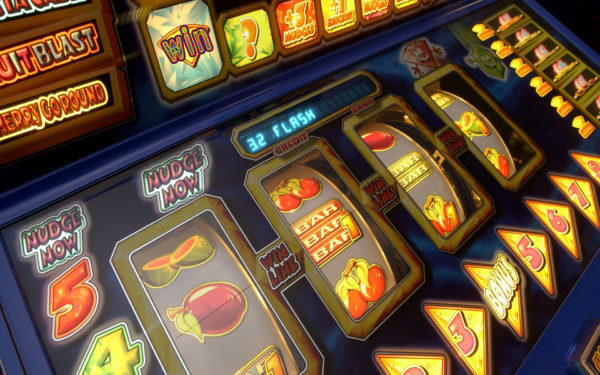
Gambling possesses an intrinsic allure that captivates individuals across diverse demographics. This attraction often stems from the excitement of risk-taking, the thrill of potentially winning large sums of money, and the social interactions that accompany various gambling activities. Casinos, whether brick-and-mortar or online, craft an environment designed to entice players with lights, sounds, and a general atmosphere of exhilaration. These elements can stimulate the brain’s reward system, reinforcing the idea that Kingbet9 Login can lead to positive outcomes.

The psychological effects of gambling begin with an immediate rush of excitement when a wager is placed. This adrenaline release can create a temporary escape from reality, prompting gamblers to seek out the experience repeatedly. The prospect of winning further enhances this excitement, creating a cycle where the anticipation of a payoff outweighs the risks involved. Many individuals find themselves drawn to gambling as a form of entertainment, often underestimating the potential psychological impacts.
Moreover, gambling can also serve as a coping mechanism for some, allowing individuals to manage stress, anxiety, or feelings of boredom. The act of placing bets and engaging in games can provide a sense of control or agency, particularly for those who may feel powerless in other aspects of their lives. While these psychological facets contribute to the attraction of gambling, they can also lead to problematic behaviors if not kept in check.
The Psychological Risks: Understanding Addiction
As with any pleasurable activity, gambling can lead to addiction, which presents significant psychological risks. Gambling addiction, or compulsive gambling, is characterized by an uncontrollable urge to gamble despite negative consequences. This behavior can escalate over time, resulting in financial ruin, relationship breakdowns, and mental health issues such as anxiety and depression. The brain’s reward pathways become altered, leading to an increased desire to chase losses or recapture the feeling of a previous win.
One of the most insidious aspects of gambling addiction is its ability to mask itself. Many individuals may not recognize the signs until significant damage has occurred. The psychological impacts can be profound, including feelings of guilt, shame, and isolation. Gamblers may resort to deceptive behaviors to cover up their activities, which can lead to further emotional distress. Understanding these risks is vital for both gamblers and their loved ones, as early intervention can mitigate further psychological harm.
The cycle of addiction can also perpetuate itself through a phenomenon known as the “near miss.” When individuals experience a close call, such as almost winning, it can reinforce their desire to continue gambling. This feedback loop makes it challenging for individuals to recognize when their behavior has crossed the line from casual enjoyment to addiction. Creating awareness around these psychological risks is crucial in addressing and preventing gambling-related issues.
The Role of Cognitive Biases in Gambling Behavior
Cognitive biases play a significant role in how individuals perceive and engage with gambling activities. Many gamblers fall prey to the illusion of control, believing that they can influence the outcome of a game through skill or strategy. This misconception can lead to overconfidence, causing players to gamble more frequently and wager higher amounts. Such biases can distort reality, making losses seem less significant while amplifying the perceived likelihood of future wins.
Another common cognitive bias among gamblers is the “gambler’s fallacy,” where individuals mistakenly believe that past events can influence future outcomes. For instance, if a player experiences several losses, they may feel that a win is “due,” thus leading to riskier betting behavior. This distorted thinking can exacerbate financial and psychological issues, as individuals may continue to gamble in the hopes of recouping their losses.
Awareness of these cognitive biases is essential for gamblers, as they can foster unrealistic expectations about winning. Understanding how these biases affect decision-making can empower individuals to approach gambling more rationally, ultimately reducing the likelihood of engaging in harmful behavior. Education and support can help individuals develop healthier gambling habits, allowing them to enjoy the experience without succumbing to the psychological pitfalls associated with cognitive biases.
Strategies for Managing Gambling’s Psychological Effects
Managing the psychological effects of gambling requires a proactive approach that includes setting clear limits and recognizing personal triggers. Individuals should establish a budget before engaging in any gambling activities and adhere to it strictly. This budget serves as a safety net, helping to prevent excessive spending and the potential financial ruin that often accompanies gambling addiction. Additionally, scheduling specific times for gambling can help individuals maintain control over their habits.
Engaging in self-reflection can also be beneficial in understanding one’s motivations for gambling. This practice allows individuals to assess their emotional state and recognize if gambling is being used as a coping mechanism for stress or other issues. By identifying these patterns, individuals can seek healthier alternatives for managing their emotions, reducing the reliance on gambling as a form of escape.
Support networks, including friends, family, or professional counseling, can provide invaluable resources for those struggling with gambling-related psychological effects. Joining support groups can foster a sense of community, offering shared experiences and strategies for coping. Utilizing these strategies can empower individuals to take control of their gambling habits, promoting a healthier relationship with the activity.
Explore Secure Gambling at KINGBET9
For those interested in exploring gambling in a safe and engaging environment, KINGBET9 offers a secure online casino platform tailored to meet the needs of Australian users. With robust security measures, including two-factor authentication, users can feel confident that their personal information is protected. The platform provides a range of popular games, enticing bonuses, and user-friendly account management, making it an ideal choice for both new and experienced gamblers.
At KINGBET9, the focus is not only on entertainment but also on user safety. With thorough verification processes in place, the platform ensures that players can engage in their favorite games with peace of mind. The variety of payment methods available allows users to manage their deposits and withdrawals easily, enhancing the overall gaming experience. It is essential to choose a platform that prioritizes security while offering exciting gaming opportunities.
Engaging in responsible gambling practices is crucial, and KINGBET9 encourages users to set limits and gamble within their means. By creating an enjoyable and secure environment, the platform allows players to experience the thrills of gambling while minimizing the psychological risks associated with it. Join today to discover a world of entertainment at your fingertips, while keeping your gambling habits healthy and controlled.
